
By dev March 10, 2026
Moreover, these protein sources absorb flavors well, so it won’t impact the flavor profile of panang curry significantly. They usually include the most important curry ingredients, such as shrimp paste, coconut milk/cream, galangal, garlic, and chicken. Red curry, on the other hand, usually has a bright red hue, which makes it stand out.

Recipe Key
Matching the right swap to the right recipe prevents disappointing results. Beyond the recipes themselves, a few key techniques and considerations can elevate your Thai curry from good to truly spectacular. Don’t be intimidated by the ingredients; a good Asian market will have everything you need.
The Origin of Thai Panang Curry
No, panang curry isn’t the same as red curry, though they’re closely related and both start from similar Thai chili-spice bases. When it comes to cooking Panang Curry, a few small tips can make a huge difference in flavor and texture. Do not rush the step where you cook the curry paste and peanut butter because this releases aromas that define the dish. If you like extra heat, you can add fresh Thai chilies when sautéing the vegetables. For a vegetarian version, replace chicken with tofu and use soy sauce instead of fish sauce.
Is tomato paste a good base for a curry paste substitute?
Others decide to go gluten-free purely because they prefer the taste and texture of gluten-free products. Getting the education and practice to recreate the dishes is the second obstacle to preparing Thai food. Taking a cooking class while you’re in Thailand only gives you an idea of the complexity of Thai cooking. It doesn’t really prepare you to recreate the dishes you enjoyed eating.
Instant Pot Coconut Rice (Perfect Every Time!)
A good paste will have a potent aroma that hints at the deliciousness to come. I remember the first time I truly fell in love with Thai curry. It was a vibrant green curry, bursting with fragrant herbs and a comforting heat that warmed me from the inside out. But the thought of recreating that magic at home always felt a bit daunting.
PF Chang Lettuce Wrap Recipe: Your Guide to Authentic Flavor at Home
- Additionally, you can add more vegetables to the curry, such as green beans, carrots, and zucchini, to increase the fiber and vitamin content.
- The process of making the paste usually involves pounding these ingredients together in a mortar and pestle until a fine paste forms.
- Tomato paste provides body, color, and a touch of sweetness similar to the dried chili base.
- When it comes to healthy eating, panang curry is an excellent choice because of its nutritional content.
- Coriander is another staple ingredient that adds a distinctive citrusy and earthy flavour.
- The original Panang curry recipe includes almonds as the staple ingredient, which gives the dish a warm, nutty, earthy flavor.
Fish sauce can be replaced with soy sauce or a vegan fish sauce alternative. This adaptation allows for a delicious and satisfying plant-based version of any Thai curry recipe. While red curry leans towards a bolder, spicier profile, green curry (Gaeng Keow Wan) offers a different, yet equally captivating, experience. It’s known for its vibrant green hue, derived from fresh green chilies, and its often brighter, more herbaceous flavor.
But once they got home, they often can’t find some of the exotic ingredients and forget the quantities of others. In other words, to perfect Thai cooking takes lots of practice with the correct ingredients that may not be available in everyone’s home country. Exotic Food Thailand also offers a wide selection of other natural Thai cooking pastes, such as red or yellow curry, sauces, and ingredients. Tomato paste provides useful body and color but lacks heat and aromatic complexity on its own.
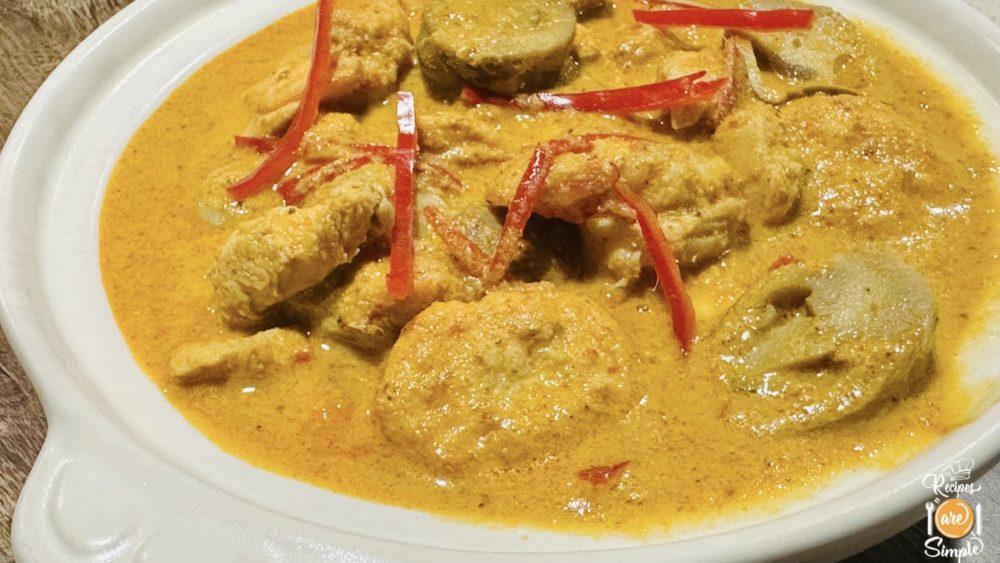
Creamy, smooth, tangy yet sweet curry loaded with tender chicken, peppers, and Thai basil. Keep it simple and server it over a bowl of steaming rice and just add it to the weekly rotation because the crowds gonna go wild. Panang curry paste is a type of red curry specific to Thailand and Laos.It is less spicy and more aromatic than standard red curry paste. In a pinch you could substitute red curry paste, but the flavor will not be quite the same. Panang Curry tastes like a more intense version of Thai Red Curry. While the paste and the sauce are the foundation, the protein and vegetables are what give your Thai curry substance and visual appeal.
What are the key ingredients in Panang Curry?
It is a bridge between cultures, a way to experience Thai flavors in a form that is both authentic and adaptable. Whether you enjoy Panang Curry chicken, beef, or shrimp, you are tasting a piece of Thai culinary history. Panang Curry depends on the creaminess of full-fat coconut milk.
If you like this Panang Curry, you might want to try some of these Thai favourites too.
This Thai food blog has authentic recipes for Thai massaman curry paste, a spicy red curry paste, and Thai green curry paste. If you have followed this recipe step by step, you now know how easy it is to bring restaurant-quality flavors into your kitchen. The combination of coconut milk, fresh vegetables, spices, and a touch of sweetness creates a meal that feels both comforting and exotic. Whether you make it with chicken, beef, shrimp, or tofu, https://unimeal-scam.com/ the results are always satisfying.
How do I store leftovers?
So next time you enjoy a plate of Panang curry, remember the rich history and cultural significance behind this beloved dish. Panang curry is a versatile dish that can be enjoyed in many different ways. Whether you prefer it with chicken, beef, pork, or vegetables, the curry paste can be adapted to suit your taste preferences. To understand the origins of Panang curry, we need to travel back in time to the 16th century, when the Ayutthaya Kingdom ruled over what is now modern-day Thailand. During this period, Thai cuisine was heavily influenced by Indian and Malay traders, who introduced new spices, ingredients, and cooking techniques to the region. The process of making the paste usually involves pounding these ingredients together in a mortar and pestle until a fine paste forms.
Use Lean Protein Sources
Coconut milk often separates (splits) in the Instant Pot because high heat and pressure can break the coconut fat-and-water emulsion. This is especially true if you used low-fat or carton coconut milk, cooked it for the full pressure cycle, or let it boil hard on Sauté. It’s also more likely if the curry is very acidic (lime/lemon) or if you stirred after it started bubbling aggressively.